Low Fat Cooking – Simple Steps to Follow

Cooking and eating is the topic of most of my days, but the thing that I like to share with you today is how to manage cooking in a healthier manner that doesn’t require you to give up on flavor and still help you stay healthy and fit. I know that the word low-fat is not so attractive to some of you; and then again to some of you it might be just what you are looking for. I love that you can actually cook and eat low-fat and all you are giving up is the extra fat that your body doesn’t need. Now, I think that your body does need fats, but there is a difference between good fats and unnecessary fats. Let’s discuss this.

For instance, I think that grilled fish and chicken is more tastier than it cooked in a pan with oil, you give up on the fat because when you grill it the fat drains, hence making it less fat and the taste is delicious.
I also love lactose-free non fat or low-fat milk vs. the whole regular milk, the flavor is pretty much the same and all I am giving up on is fat.
Also I like to make my own buttermilk at home, by using the low-fat milk and lemon, it works exactly the same way but way less fat.

This is what I mean by giving up on fat but not on flavor. Things are yummy cooked the right way, we don’t have to get scared of fat, but we can learn to select it.
For example, I love almonds and walnuts, they are high in fat but all extremely good for you, so I eat them.
I love avocados, also fat. I love to use olive oil, also fat and I do like some good old Parmigiano Reggiano and will never eat any fake low-fat version, the real one is good for you and there is no substitute in my book.

So to follow are some tips on how to cook low-fat. Enjoy!

1) Grill, broil, bake, braise, steam, poach, slow-cook, and microwave foods instead of frying them. Sautéing is ok with minimal amounts of oil (preferably extra virgin olive oil or coconut oil), or use nonstick spray.

2) Choose chicken or turkey sausages or burgers instead of pork or beef sausages or burgers.

3) Choose extra-lean meat and skinless chicken breasts, and remember to trim all visible fat from meats.

4) Substitute most meat dishes each week with fish or vegetarian meals.

5) Use one egg and two egg whites per person in your favorite egg dishes or cakes; or cut fat and cholesterol completely by using egg substitute. Or also substitute 2 egg whites for one whole egg or 3 egg whites for 2 eggs.

6) Substitute whole milk for non fat or low-fat milk.

7) Oven-fry, bake or boil potatoes instead of making or buying French fries.

8) Choose reduced fat sour cream or yogurt instead of full-fat versions for stews, dips, spreads, and dressings.

9) Replace some of the fat in baked goods with applesauce, plain nonfat yogurt or low-fat buttermilk. (to make your own buttermilk: 1 cup low-fat milk mixed with 1 tbsp. lemon juice fresh).

10) Use reduced fat or fat-free cream cheese instead of the regular version for cheesecakes.

11) Use evaporated skim milk in place of light or heavy cream in soups and sauces.

12) Use fat-free chicken broth or fat-free milk in mashed potatoes, soups, gravies and stews

13) As a healthy alternative to frying, coat meat or veggies in egg whites then use bread crumbs and bake in the oven.

14) Cook fish in parchment paper or foil to seal in the flavor and juices.

15) Instead of eating potato chips, substitute pretzels, pita chips, or raw fruits and vegetables.

16) Rinse canned foods such as tuna, beans, and vegetables before using to wash away excess sodium or oil.

17) Thickening the sauce with cornstarch instead of a traditional butter-flour mixture.

18) Season vegetables with herbs and spices rather than sauces, butter or margarine.

19) Cook with lemon juice or herbs — these add flavors to food such as vegetables without adding fat.

20) Use mustard as a sandwich spread in place of margarine or mayonnaise. Or use healthy fats such as nut butters on your toast.


Eating Habits of Naturally Thin People

I know that we all have ways we like to eat. But sometimes it’s our eating habits that can cause us to feel unhappy with our bodies and ourselves, we form these habits without even knowing that it’s a habit and maybe not such a good one at that. Eating is an essential part of our daily lives and who doesn’t love to eat?! But, we do have to watch at times how we eat. This is why I want to share with you the (secret) actually; known but not practiced eating habits of thin people.
They are simple steps we all know about and actually not that hard to follow if we make them our habits too, it will help our over all mood and way we look. Let’s see:


Naturally Thin Habit #1 – Don’t Overeat

Have you ever noticed that naturally thin people don’t over stuff themselves with excess amounts of food? They rarely eat larger portions or go back for seconds, but more often than not they have a natural awareness of their bodies and stop eating when they recognize that little signal that says, “Thank you, I’ve had enough to eat for now.”

Start applying this habit in your own life by paying close attention to how your body feels as you eat. When your body starts communicating that it is now satisfied, stop eating.

Naturally Thin Habit #2 – Get Rid of Guilt

Naturally thin people don’t beat themselves up for eating something they shouldn’t have – in fact, there are no forbidden foods in their world. They eat what they want, but they don’t overdo it. If they do eat something they would consider to be more fattening than their normal food choices, they don’t obsess over it for days. They don’t beat themselves up for eating it, and they don’t jump to conclusions like they are out of control and can’t be trusted to make wise decisions. They simply accept that they ate the food, and move on. No regrets, no guilt.

How freeing would it feel to adopt this habit yourself? Give it a try and notice how much better it feels to not have to carry such a heavy burden of guilt on your shoulders all the time.

Naturally Thin Habit #3 – Fill Up On Greens

Eat a side salad or green vegetable like broccoli to help fill your stomach. This gives you the volume of food that you’re used to without a lot of calories. Then, eat something that will satisfy your taste buds. An example would be an appetizer of a side salad to tame my hunger, then an appropriate portion of whatever sounds good to you. Maybe it’s a juicy steak or a pasta dish that looks good. A smaller portion of pasta will go a long way when you’re already partly satisfied from the greens.

Naturally Thin Habit #4 -Don’t be Obsessive

Don’t Get Obsessive About Losing Weight. When you first decide that you want to start losing weight it’s really easy to get obsessed with it. You may find yourself spending a lot of time thinking about what you’re going to eat or Googling weight loss topics online. This will only backfire on you. What goes up must come down. The key is to fit your “diet” into your life instead of trying to fit into your “diet.” Naturally thin people don’t obsess about working out and burning calories. They think positive and maintain a healthy exercise routine, if they miss one day there is always tomorrow.

Exercise is good, just don’t over do it. Almost all of your weight loss will be a result of your “diet.”

Naturally Thin Habit #5 – Find What Works for You

Naturally thin people eat what works with their body type. They listen to their body, some can stomach grapefruit, other can’t. Some can stomach soy milk, other can’t. Some eat dairy, other don’t. Some eat beans, others don’t.

You have to listen to your body and know what makes you feel good, some food bloat certain people and others don’t so you really have to learn to listen to your body and notice what is working for you in that moment. With this being said, we can all agree that too much sugar, junk food, sodas or artificial stuff doesn’t work great for anyone.
This is just some personal habits that I find to work for me, my husband and all the fellow Mythineaters out there.Thin people shouldn’t have to worry about what they eat, because they know themselves well and don’t feel controlled by food. Have a wonderful day!! Cheers to better eating habits from my Husband and I


What’s more Healthy than: Quinoa Primavera

So as you know I love Meatless Mondays and an All Vegetarian meal whenever I can….??!!

I especially love Quinoa, for me it’s the best substitution to heavy carbs and it marries so well with vegetables (really anything, in this case I am focusing on vegetables 😉 ), I love the fact that it really will just blend with whatever flavors it is paired up with.

It’s been winters and although I love salads it’s been pretty hard to just have a salad when outside it’s snowing or just plain cold. So, what I resort to is basically roasted, steamed or lightly sauteed vegetables. On this particular day I hadn’t gone to the store in a while it was snowing outside and I just was going to use whatever I had in the fridge. I always have a large variety of veggies so I figured that I would make vegetables accompanied by……??? I opened the cupboard and there was the Quinoa, so I decided I would make something using both. I seldom will serve my Husband just vegetables, unless requested by him. Even if I just eat all vegetarian I always try to make him, chicken, beans or pasta or something (healthy) to go along with the veggies. So in this case it was Quinoa.

I do have a post I completely dedicated to the Nutrition facts and health benefits for Quinoa, you can see here: http://mythineats.com/2011/11/11/quinoa-nutrition-facts/

However this dish is simple, light, healthy, low carb, and low fat. So I hope that you like it. You can serve as a main dish or as a side dish to chicken, salmon, meat, eggs; whatever you like or prefer. Enjoy

Ingredients:

Serves 2 as main dish 4 as side dish

1 cup Quinoa

2 cups of Water

1/2 cup frozen Peas

2 Zucchini

1 Endive

A couple leaves of Radicchio

A handful of Arugola, washed

Salt and Pepper to taste

A few drizzles of Olive oil

Preheat your oven at 180° C (350° F).

Now put the quinoa and the water in a small pot, add a drizzle of olive oil and some salt and pepper to taste, mix, cover and place over medium heat. Bring to a boil and lower flame to minimum and allow to simmer for about 15 minutes (until all water is absorbed).

Get your slice in 1/4 in rounds and place on a baking paper over a big baking tray or cookie sheet tray, lay them out one by one. Do the same with the endive. You should be able to fit your leaves of radicchio also, drizzle some olive oil over the vegetables and add salt and pepper to taste. Put in oven and allow to bake for about 15 – 20 minutes.

Place about 1 cup of salted water to boil in a little sauce pan, once boiled throw in the peas and allow to cook for about 5-8 minutes. Drain immediately in cold water and set to the side

Fluff your Quinoa, join all ingredients in a salad bowl and mix lightly and if you like you can squeeze a little bit of lemon over it and serve.

I have included a photo with an fried egg on top, or you could also chop up some feta or any cheese you like and throw it in. There are so many endless variations. Enjoy!!!


Foods that Burn Body Fat

Well, before we get into it and I want to say that the list of foods below are there to help you make smarter decisions when ordering or cooking foods and will help you when working out and tying to eliminate the layer of fat that is covering your muscles.

So how do you pick the best foods that burn body fat? Easy. Look for foods that are considered thermogenic. Calorie for calorie, certain foods are considered to increase your metabolic rate – that is, they naturally increase energy expenditure – helping you burn body fat rather than storing it.  In reality, ALL foods are “thermogenic” because the body must use energy to digest them. This is known as the “thermic effect of food” (TEF) or “specific dynamic action of food.”

And when that occurs, your body taps into existing fat stores to meet energy demands, melting off the layer of fat covering up your six pack that you’ve been dying to show off. Even better, some foods have abilities to surpass their fat-burning effect. Certain choices result in fullness; some require energy to be broken down; and some can even release body fat elevating your metabolism.

A lot of people try to starve their nutrition in a bid to reduce fat. This approach can have spurious effects on the harmony of the body and is not a wise or healthy way to reduce fat. The right way to reduce fats would be to eat foods that reduce the possibility of further fat deposition, or foods that assist in burning fats, while also taking up calorie-burning exercises (like aerobics, yoga and resistance/weight training) to use up the past-stored fat in your body. The science is complicated and not necessary to grasp.  You need to understand which foods work to promote fat burning so you can capitalize on the best options and get rid of your unwanted fat. However, not all foods have the same thermic effect. Dietary fat has the lowest thermic effect. The most thermogenic food is lean protein from solid foods.

Question: What are the best fat burning foods, that help eliminate body fat?

Oats:   Oatmeal will help you reduce fat levels by providing sustainable energy and keeping you full so you don’t over eat mid morning. It’s full of plenty of fiber to maintain your insulin levels throughout the day.

A key to losing fat is to keep insulin levels lowered because insulin moves fat into storage more easily, especially if you’re not weight training regularly. Raisin and Barn cereal is another good example of breakfast food that’s rich in insoluble fiber, so is cooked barley.

Eggs:   A study showed that those who ate eggs for breakfast instead of bagels lost considerably more fat.  Not to mention the muscle-building power of the protein found in eggs because of it’s superior amino acid profile.  The fat in the yolk of the egg is the healthiest part and helps with slower digestion and reduces hunger therefore one of the best foods that burn body fat when eaten in moderation.

Poultry:   Poultry like chicken are low on fats and carbohydrates while have a good protein profile. Research has proven that the thermic effect of protein is the highest of all the macronutrients, requiring about 30% of the calories it contains, just for digestion and processing. An added bonus is that lean protein foods suppress your appetite! Try to incorporate the following lean proteins as well: Turkey breasts, Bison, Venison, Buffalo, very lean Red Meats like (top round and lean sirloin, as well as lean veal), just about any type of Fish, Shellfish and other Seafood.

Almonds and Walnuts:   These nuts are a great source of healthy fats. It has been seen that people who don’t consume healthy fats are more likely to gain weight than people who do. This is the reason why it’s very imprudent to eliminate healthy fats from your diet in a bid to reduce weight. Remember that healthy fats are needed for a harmonious functioning of the body because most of the body’s cell structure is made from these fats.

Olive Oil:   Your body cannot live without certain foods and “good fat” is one of them. That’s because approximately 70% of it Olive oil is one of those “good fat.” Olive oil is rich in monounsaturated fat, a type of fat that has many healthy benefits like preventing heart disease, colon cancer and controlling LDL (bad cholesterol). It’s also loaded with vitamin E and antioxidants.  Olive oil can increase the activity of certain chemicals called “uncoupling proteins.” These chemicals effectively “tell” the body to burn excess calories, rather than store it. Oil is one of the forgotten foods that burn body fat.

Water:   Though water would not count as a food, because it has no calories, it would need to mentioned that water helps improve the over-all metabolism of the body and thus helps burn fat. And of course, water helps flush out toxins and thus improves the capacity of the body to stay healthy. Certain foods are rich in their water content and thus help in the process of fat reduction. Regardless, keep cold water in your thermogenic food plan and rely on water’s other advantages: It keeps you hydrated, which assists with energy, absorption, being anabolic and is required to burn fat.  Staying hydrated can also help you keep your overall calories lower.

A Simple 3-Step Formula To Put Together A Fat-Burning Meal:

STEP 1: Select a green vegetable or fibrous vegetable such as asparagus, green beans, broccoli, brussel sprouts, cauliflower, salad vegetables, etc., and then

STEP 2: Combine that with one of the lean proteins (previously mentioned above).

STEP 3: The lean protein and fibrous carb forms the foundation of your fat burning meal. From there, add natural starchy carbs or grains such as brown rice, oats, or sweet potatoes – in the amount your calorie needs dictate and to the degree your body can tolerate them (some people have a carb-intolerant body type). Fruit is also ok, but focus even more on the green and fibrous vegetables.

I hope that you enjoyed this research I did. It’s a great and healthy way to eat everyday regardless! Remember I’m not a doctor or dietician, just a girl that is interested in how to get the Maximum benefits out of food and have a healthy physique.


Here are some of the websites I pulled this information off of:

http://www.burnthefat.com/fat_burning_foods.html

http://www.home-workout-success.com/foods-that-burn-body-fat.html

http://www.iamnotobese.com/fat-burning-food-list.php


Get your Omega-3 with this amazing Pasta dish

Here in Italy it’s very common to use canned Tuna, it usually is in Olive Oil it renders the tuna more tasty and tender. You can always find either a salad or pasta dish with tuna. It’s quite delicious and healthy. This is a recipe that I developed a while back, I think I was about 18 I lived alone and I used to make it especially in the summer because it was light and easy to make. My friends would come over and we used to sit around and eat this and then get on with our day. They used to say that they loved this dish just as much as I did.

Everyone here in Italy has a version of this dish and they make it however they like, some add tomato sauce, some forfeit the olives, some add capers, and some just get the can and throw it on top of the cooked pasta without anything else; so as you can see it’s really optional and you can do however you like. I like it this version but in general I think that this dish is a fantastic way to eat something nutritional and light. Omega-3’s are very important in our diet and this is a simple way of getting them. I hope that you enjoy this dish and remember let’s be creative. I love spicy foods, so as you’ve probably noticed just about now there is always something spicy in my dishes, feel free to leave that out, it will taste just as good…that is one thing that I can’t seem to give up: my capsaicin. I love it!

Enjoy


Serves 2 – 3

Ingredients:

250 gr. Mezzemaniche*

2 cans Light Tuna (in Olive oil if possible), drained

6 Cherry tomatoes

5-6 Black olives (sliced)

½ Garlic clove

Chilies (optional)

Handful Parsley (chopped)

Olive oil

Salt to taste


Place a medium-sized pot of salted water to boil.

In a separate small pot put some water to boil, toss in your cherry tomatoes and allow to boil for about 2-3 minutes, just enough to get the sherry tomato skin off, drain and start to peel. Place on a cutting board and slice in half, over your kitchen sink squirt out the seeds and place the tomatoes aside.

In a pan over medium heat pour in some olive oil, just enough to cover the bottom of the pan, put your garlic (do not slice, you just want the aroma); allow 2 minutes to go by and join the tomatoes, allow to simmer for about 5 minutes and then add the rest of your ingredients, tuna, olives, chilies, parsley and salt; allow to cook at low heat for about another 5 minutes and then turn off heat and allow to rest.

In the meantime your pot of water should be boiling, throw in your pasta and cook for the time mentioned on the box generally 9 -11 minutes, drain and join with your tuna sauce, mix well and serve.

* I like Mezzemaniche, they are larger than Ditalini but you can use any pasta you like.


10 ways to speed up your Metabolism

I think that boosting your metabolism aids to weight loss and energy. Here is a list of how you can boost your metabolism naturally, without doing anything crazy.

1.     Never Skip Meals:  you want to make sure that your blood sugar stays leveled and if you skip meals you risk lowering it, when your sugar levels drop you get immediately hungry, which can cause you to binge or make wrong food choices. Eat smaller and healthier meals more frequently.

2.     Drink Water:  cold water is the best option, research shows that when you drink cold water your body expends extra calories warming it up to your body temperature. Subjects who drank 16 ounces of water at a time experienced a 30 percent increase in metabolic rate during the following hour.

3.     Spice it up: Hot food and spices like paprika, red pepper flakes, cayenne give your metabolism a real kick. A fiery meal can make your heart beat faster and even bring you out in a sweat – both signs your body is working harder and therefore burning more energy.

4.     Muscle Building: Building up muscle increases your resting metabolic rate and reduces your body fat levels. People who are really toned will have a slightly higher metabolism all the time, as women I suggest doing exercises that tone the body, like Pilates, Resistance training, Power Yoga (ashtanga, vinyasa, bikram).

5.     Exercise:  Cardio, Aerobics, even fast walking all improve definition and burn the fat that covers your muscles, especially belly fat. It even stays at this higher rate for three to four hours after you’ve finished your workout. I especially love Tracy Anderson, she does a combination of both Cardio and resistance.

6.     Caffeine: Research shoes that drinking Green Tea and Coffee can significantly increase your metabolic rate for a period of 3 hours. Caffeine is a stimulant that affects metabolism your central nervous system. Avoid putting sugar in your coffee or green tea, sugar turns into fat. And please; stay away from sodas.

7.     Get Real: Eat healthy, To maximize the calories burned through digestion and stave off hunger, get plenty of complex carbs (fruits, vegetables and beans) and eat a little protein with every meal. It doesn’t need to be meat; nuts, lowfat dairy, tofu, and beans are all good vegetarian protein sources.

8.     Manage your fat intake: Unsaturated fats – consumed in moderation can boost the metabolism. This includes omega-3 fatty acids found in fish, omega-6 fatty acids found in cereal grains.

9.     Sleep: If you’re tired because you haven’t slept your metabolism won’t have had the chance to recharge so it will be slower than normal. Plus your body will crave sweet foods to give it constant bursts of energy. So get a good eight-hour kip so you’re ready to start fighting the fat

10.    Avoid crash dieting: Crash diets — those involving eating fewer than 1,000 calories a day — are disastrous for anyone hoping to quicken their metabolism. Although these diets may help you drop pounds (at the expense of good nutrition), a high percentage of the loss comes from muscle. The lower your muscle mass, the slower your metabolism. The final result is a body that burns far fewer calories (and gains weight faster) than the one you had before the diet.

* This is research I did, I am not a physician or a dietician. I love figuring out the ways to make a women’s body healthier and sexier.

Benefits of Vinegar

Vinegar is a highly acidic substance that arises naturally from the fermentation of alcohol. Aside from its flavorful versatility, recent medical studies have made at least a few indications that vinegar has some impressive health benefits. Why they might exist isn’t yet very clear – some suspect that certain phytochemicals, or molecules that are found in certain plants, are the root cause. You might be surprised to learn that there are dozens of types of vinegar. The most common vinegars found in American kitchens are white distilled and apple cider, but the more adventurous may also use red wine vinegar; white wine vinegar; rice vinegar; or gourmet varieties, such as 25-year-old balsamic vinegar or rich black fig vinegar.

Vinegar can be made from just about any food that contains natural sugars. Yeast ferments these sugars into alcohol, and certain types of bacteria convert that alcohol a second time into vinegar. A weak acetic acid remains after this second fermentation; the acid has flavors reminiscent of the original fermented food, such as apples or grapes. Acetic acid is what gives vinegar its distinct tart taste.

Health Benefits:

The claims are many and some of the most impressive are listed below:

1.) Vinegar helps the body absorb calcium: Vinegar’s calcium absorption assistance is especially useful for people who are lactose intolerant. Their aversion to dairy limits the number of calcium containing foods available to them. But by eating calcium dense leafy greens with a little vinegar, one can work towards offsetting that deficiency. Those at risk for bone loss and Osteoporosis, especially middle-aged and older women, may stand to gain some very real health effects from vinegar consumption. As mentioned in the article’s introduction, vinegar is highly acidic. Its primary component is a substance called acetic acid, which has a very low pH – much like the body’s own naturally occurring digestive juices. According to some in the medical community, vinegar can thus assist the digestive system in breaking down certain other substances by incorporating a little more acidity into the digestive mix. Listed among these substances is calcium. While calcium supplements are widely available to those at risk of Osteoporosis, it’s the amount of the mineral absorbed that makes the difference between a healthy and unhealthy bone structure. By consuming vinegar before calcium, one may be able to increase the ratio of absorbed and used calcium to calcium taken in.

2.) Vinegar helps people with type 2 diabetes: It appears to increase insulin sensitivity in those who are insulin resistant. In a 2007 medical study 11 patients were directed to consume two tablespoons of apple cider vinegar diluted with water right before bed. When they woke up, their blood sugar levels were, on average, between four and six percent lower than control subjects who did not consume the vinegar. Though the study was small enough to be considered only preliminary, it did seem to show that vinegar may be an effective tool in managing blood sugar levels for Diabetes patients. Other earlier studies also support this hypothesis. In a 2004 medical study conducted by the American Diabetes Association, it was found that those who consumed apple cider vinegar before a meal heavy in carbohydrates had lower blood sugar levels than those who didn’t.

3.) Vinegar helps with weight control: Many cultures have used vinegar as a weight loss aid. Many observational studies as well have linked vinegar with healthier overall weight. White vinegar (and perhaps other types) might help people feel full faster than those who don’t consume it. So; in turn you eat fewer calories and smaller meals. 1/2 a cup of vinegar has only 25 calories. Vinegar can be used to replace high-fat foods like mayonnaise and tartar sauce. And help you control what you eat. Remember to consume in moderation too much of anything is not good for you.

4.) Vinegar helps with pesticides: Some people are concerned that eating large amounts of fruits and vegetables may lead to an unhealthy consumption of pesticide and other farm-chemical residues. Vinegar can lend a hand here, too. Washing produce in a mixture of water and vinegar appears to help remove certain pesticides, according to the small amount of research that has been published. Vinegar also appears to be helpful in getting rid of harmful bacteria on fruits and vegetables. To help remove potentially harmful residues, mix a solution of 10 percent vinegar to 90 percent water (for example, mix one cup of white vinegar in nine cups of water). Then, place produce in the vinegar solution, let it soak briefly, and then swish it around in the solution. Finally, rinse the produce thoroughly.

Do not use this process on tender, fragile fruits, such as berries, that might be damaged in the process or soak up too much vinegar through their porous skins. Some pesticide residues are trapped beneath the waxy coatings that are applied to certain vegetables to help them retain moisture. The vinegar solution probably won’t wash those pesticides away, so peeling lightly may be the next best option.

So here it is. You can use vinegar in many ways. I like to dress my salads with it at times, other times you can was your windows, vegetables and fruits and some have even used it to remove dandruff. Use your discretion and always do some research or discuss with your health provider before using it in a medical manner.

About Cayenne Pepper

What is Cayenne:

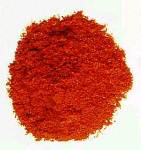
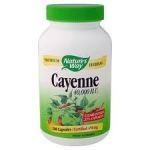
Cayenne pepper is one of the most popular spices used throughout the globe. The scientific name: Capsicum annuum var annuum. It comes from the Capsicum family of chiles and is native to Central America. If you were to calculate the “Scoville heat units” of cayenne it would be around 30,000 to 50,000. The hotness produced by cayenne is caused by its high concentration in a substance called capsaicin. Technically referred to as 8-methyul-N-vanillyl-6-nonenamide. It’s hot even used in small amounts but provides an array of benefits to the human body.

Health Benefits:

Over 80 units can be found in the health benefit chart for this chili pepper. The reported health benefits of cayenne are almost too unbelieveable, but its reputation keeps growing among medical researchers as well as alternative health afficionados. Let’s get into some of the specifics of cayenne pepper benefits: It has been known to increase metabolism, fight inflammation, clear congestion, natural pain reliever, cardiovascular benefits, boost immunity, prevent stomach ulcers, lose weight, relieves muscle pains, it can kill cancer cells in the prostate, lungs, and pancreas to immediately stop a heart attack within 30 seconds, etc…

It is rich in vitamins and minerals. From Vitamin A, B1, B6, C, D, E, K, Beta Carotene, Beta Cryptoxanthin, Leutin+Xeaxanthin, Beta Tocopherol, Gamma Tocopherol,Delta Tocopherol, Folate, Niacin, Choline, Betaine.

To the Minerals; Calcium, Iron, Magnesium, Manganese, Phosphorus, Potassium, Sodium, Zinc, Selenium, Fluoride.

How to Use:

Cayenne, chopped and grounded, used as condiment in the preparation of pepper sauce, soups, curries and to marinate meat, fish and poultry.

I love spice so I put it in any dish I eat. I would suggest you try it before you add it to any food. I love the whole foods brand 365 because it is spicy, but any brand should be fine. My husband likes it a little milder so he generally buys Crystal hot sauce as it is made with Cayenne.

Cayenne chilies either fresh or powdered form, can cause severe burning sensation to hands and may cause severe irritation to mouth/nasal passages, eyes and throat. Therefore, it may be advised in some sensitive individuals to use thin hand gloves and face masks while handling.

Again I am not a doctor or nutritionist, so please do your own research or consult a professional before using Cayenne in any medical manner. I hope that you enjoyed this and happy Spicy cooking.

Below I included some helpful websites that talk about Cayenne.

http://lifestyle.iloveindia.com/lounge/nutritional-value-of-cayenne-pepper-6028.html

http://www.whfoods.com/genpage.php?tname=nutrientprofile&dbid=71

http://www.cayennepepper.info/health-benefits-of-cayenne-pepper.html

http://www.nutrition-and-you.com/cayenne-pepper.html